
Not Buried Yet
human fallibility, ancient and new

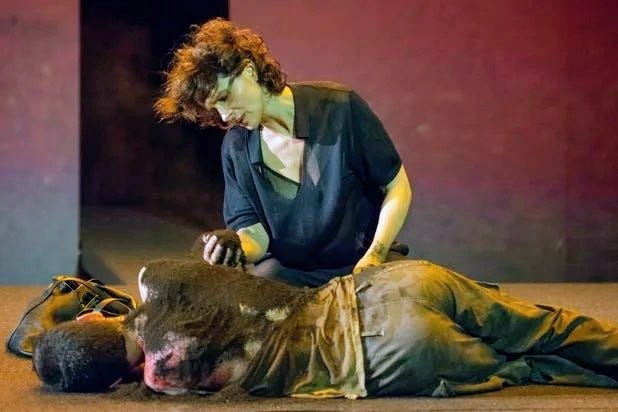
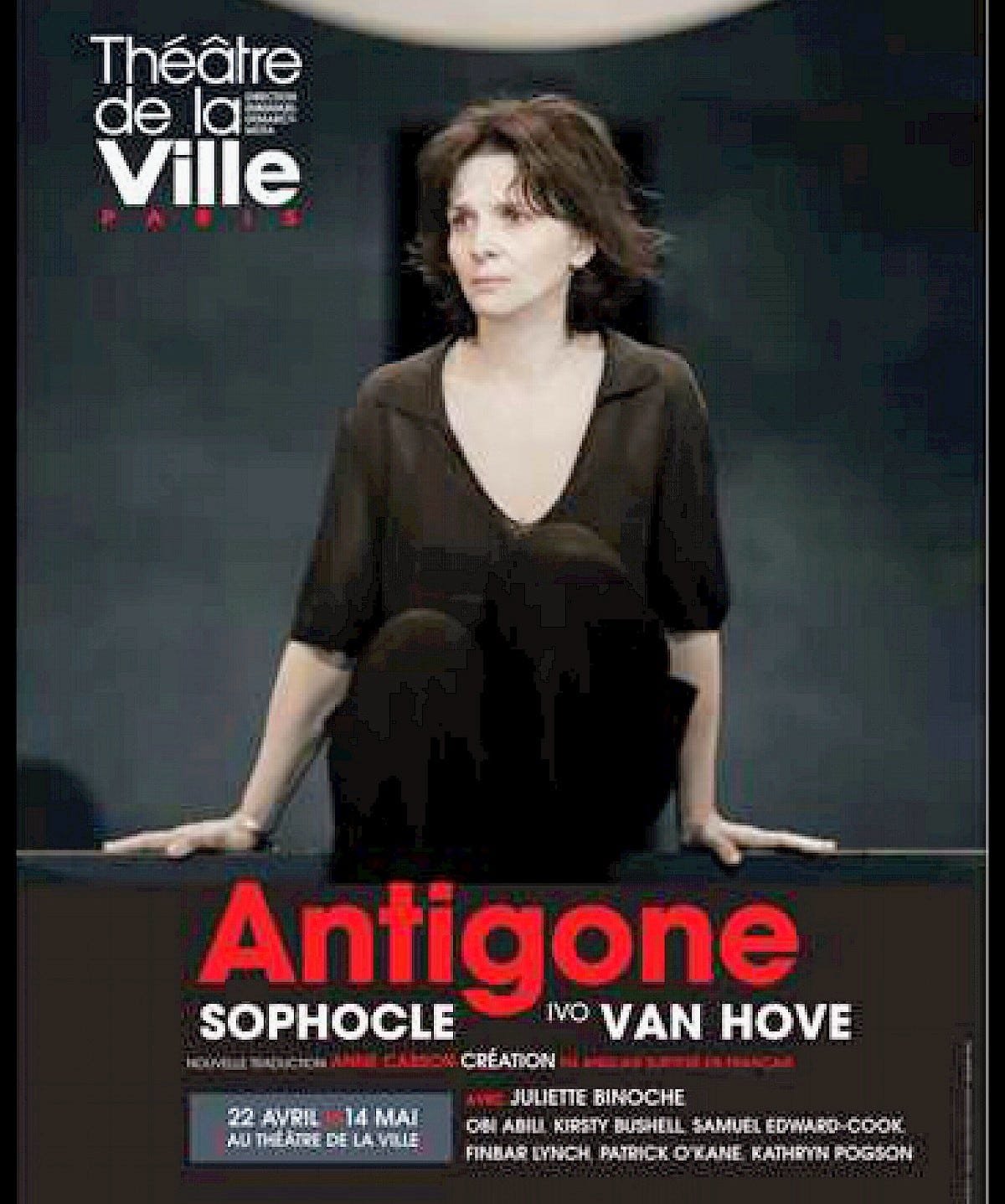
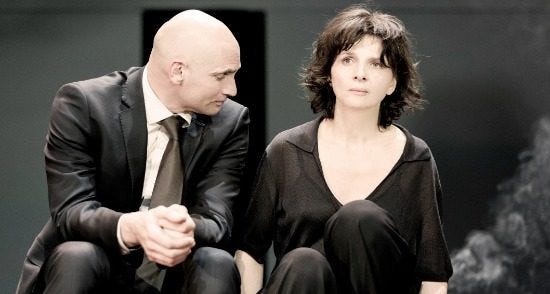
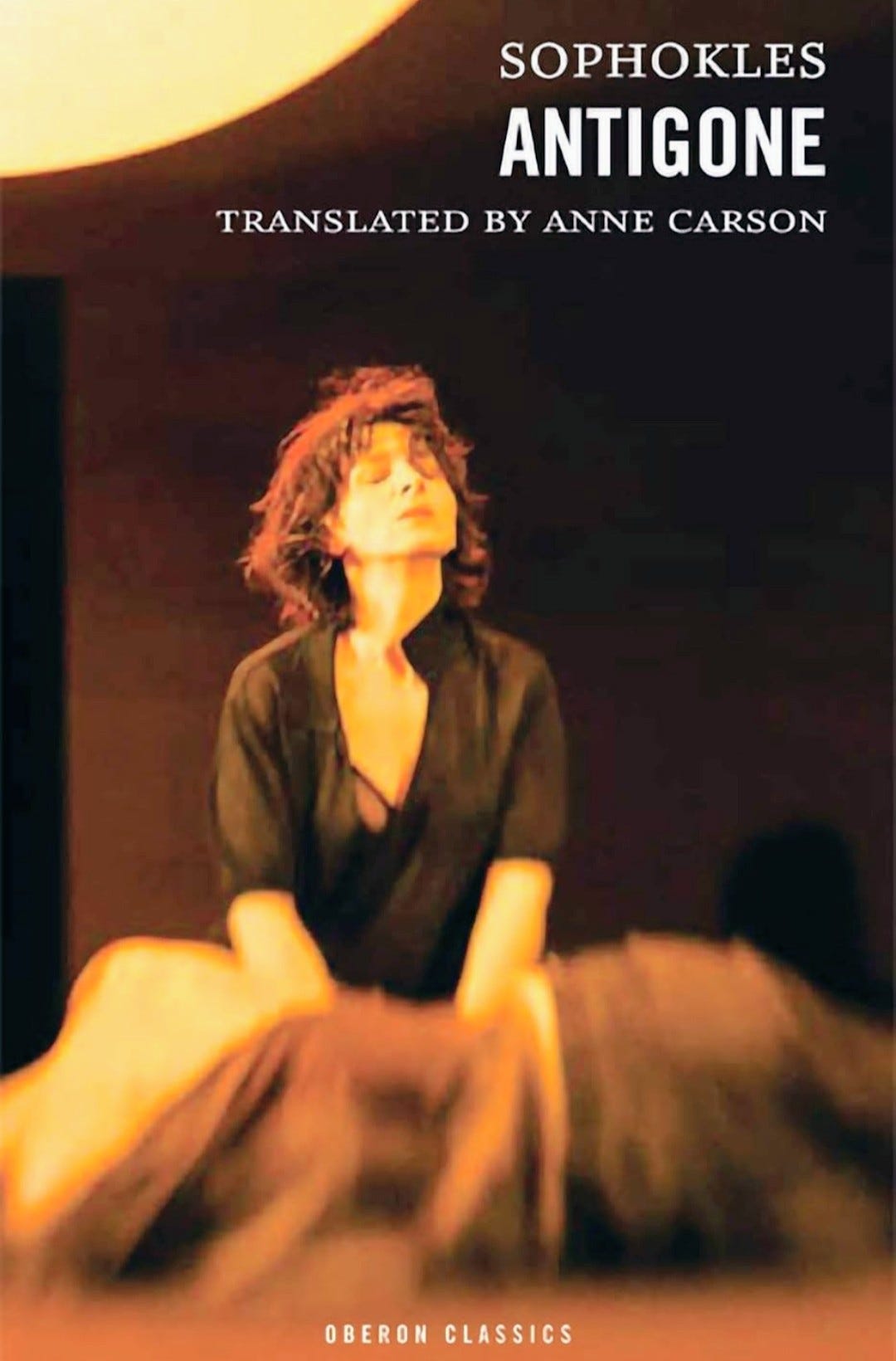
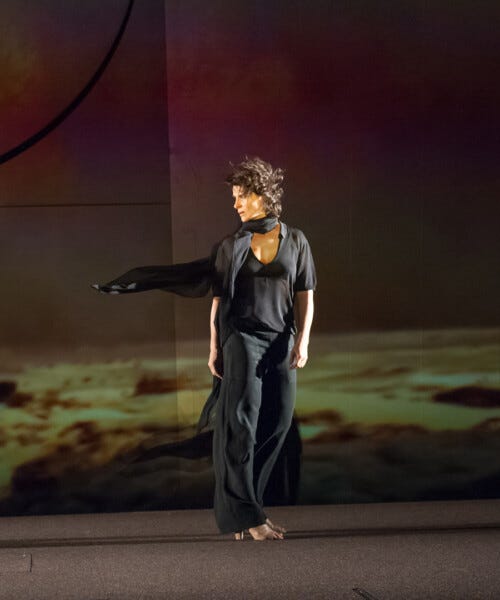
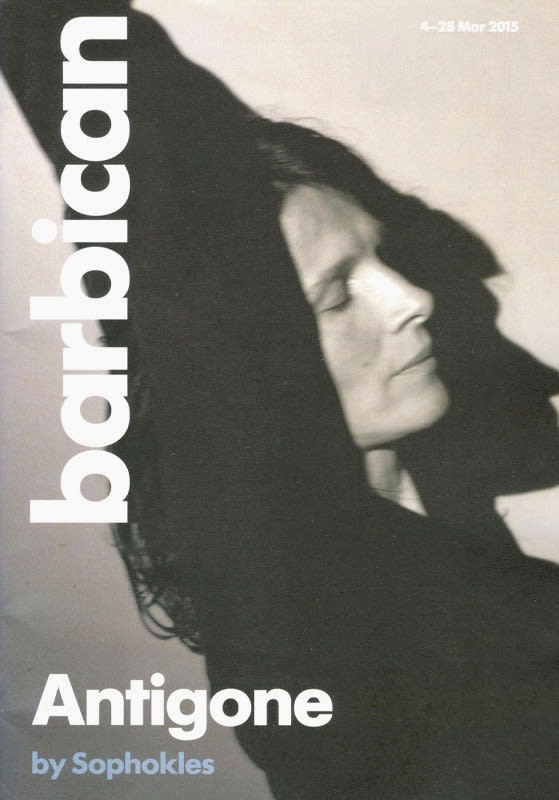
I just saw “Antigone,” the ancient Greek tragedy, in a modern‑dress production starring Juliette Binoche and directed by Ivo van Hove. (see YouTube link at end of essay below)
After 2,500 years, the story still enthralls. I follow its red thread into the labyrinth.
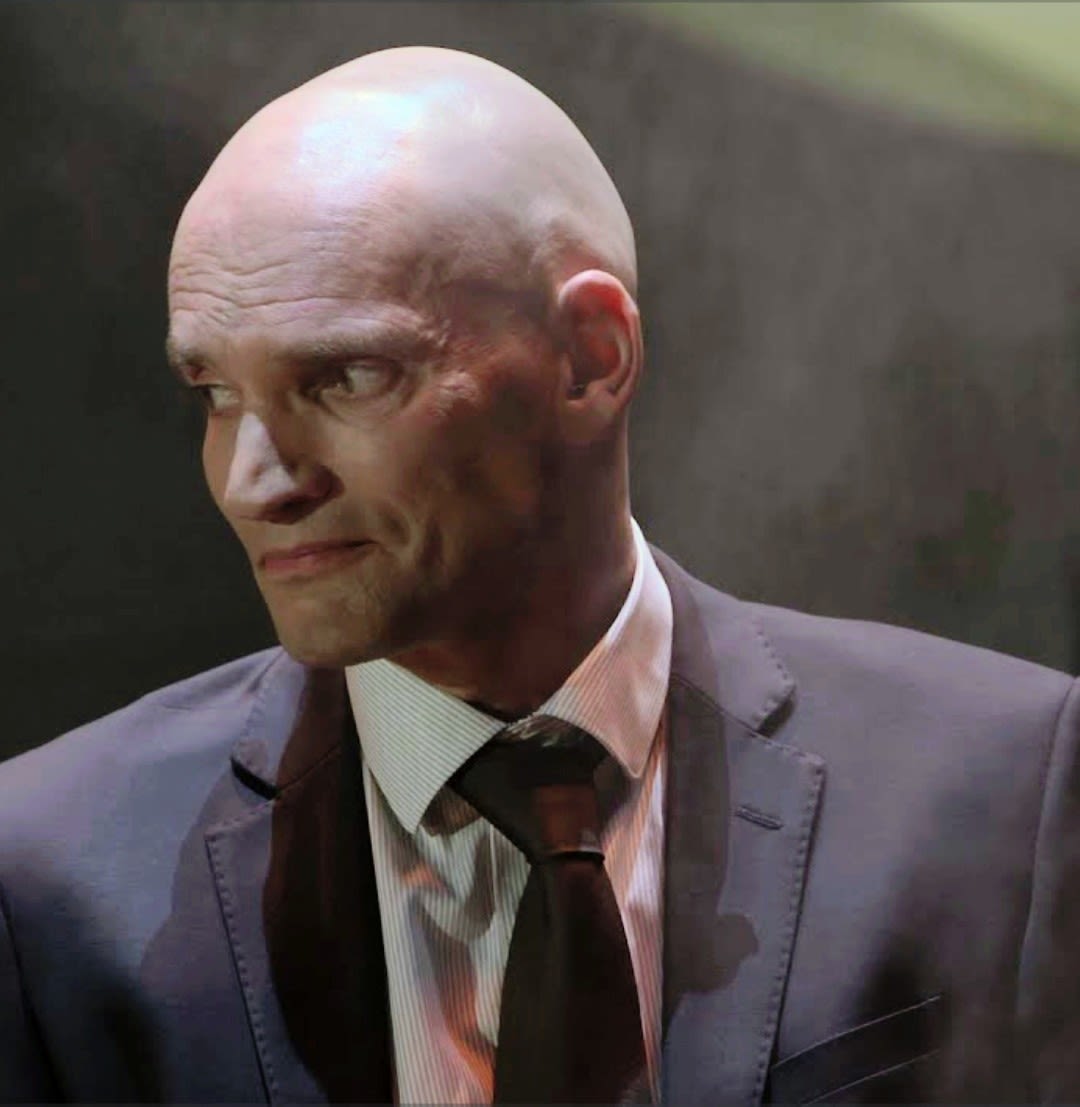
Kreon, king of Thebes, has the body of the traitor Polynikes thrown outside the city walls, to be left unburied, as meat for vermin.
Polynikes’ sister Antigone insists on performing a ceremonial burial for him, and she is arrested by Kreon’s soldiers. The drama is the ongoing clash between Antigone and Kreon.
Kreon: You dared to disobey the law.
Antigone: Well, if you call that “law.”
Kreon: I do.
Antigone: Zeus does not. Justice does not. Death needs to have Death’s laws obeyed.
Kreon: Enemy is always enemy, alive or dead. Go down below and lavish your love on the dead.
Each sees the other in monstrous terms. Kreon despises Antigone as a hysterical anarchist; she scorns him as a petty tyrant ignoring divine law.
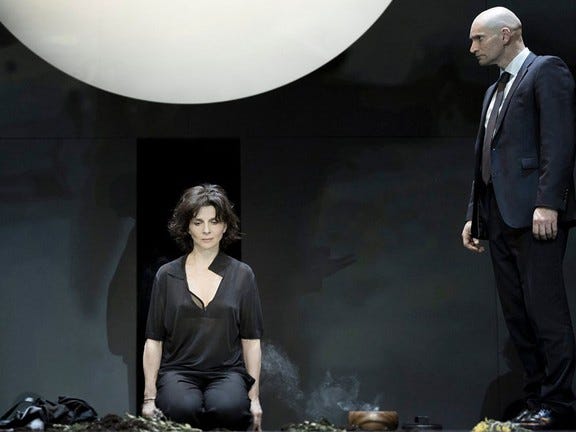
Neither will relent, and stakes are raised. By the finale there is catastrophe and (of course) more dead bodies.
I want to believe that I’m wiser than both Antigone and Kreon, that I can transcend their conflict.
But this may be wishful self-delusion.
When I was younger, I behaved like Antigone. And later, a corporate manager, I behaved like Kreon.
I was Antigone when I quit my job and self-righteously faxed my resignation letter as a public protest to every departmental office.
I was Kreon when, as a manager, I required staff to follow obtuse protocols imposed by our VP.
What do I gain by believing I’m better than Antigone or Kreon?
My “calm witness” stance is a luxury of those who think they don’t have a body to bury. My serene awareness is not a higher ethical position but a refined avoidance strategy.
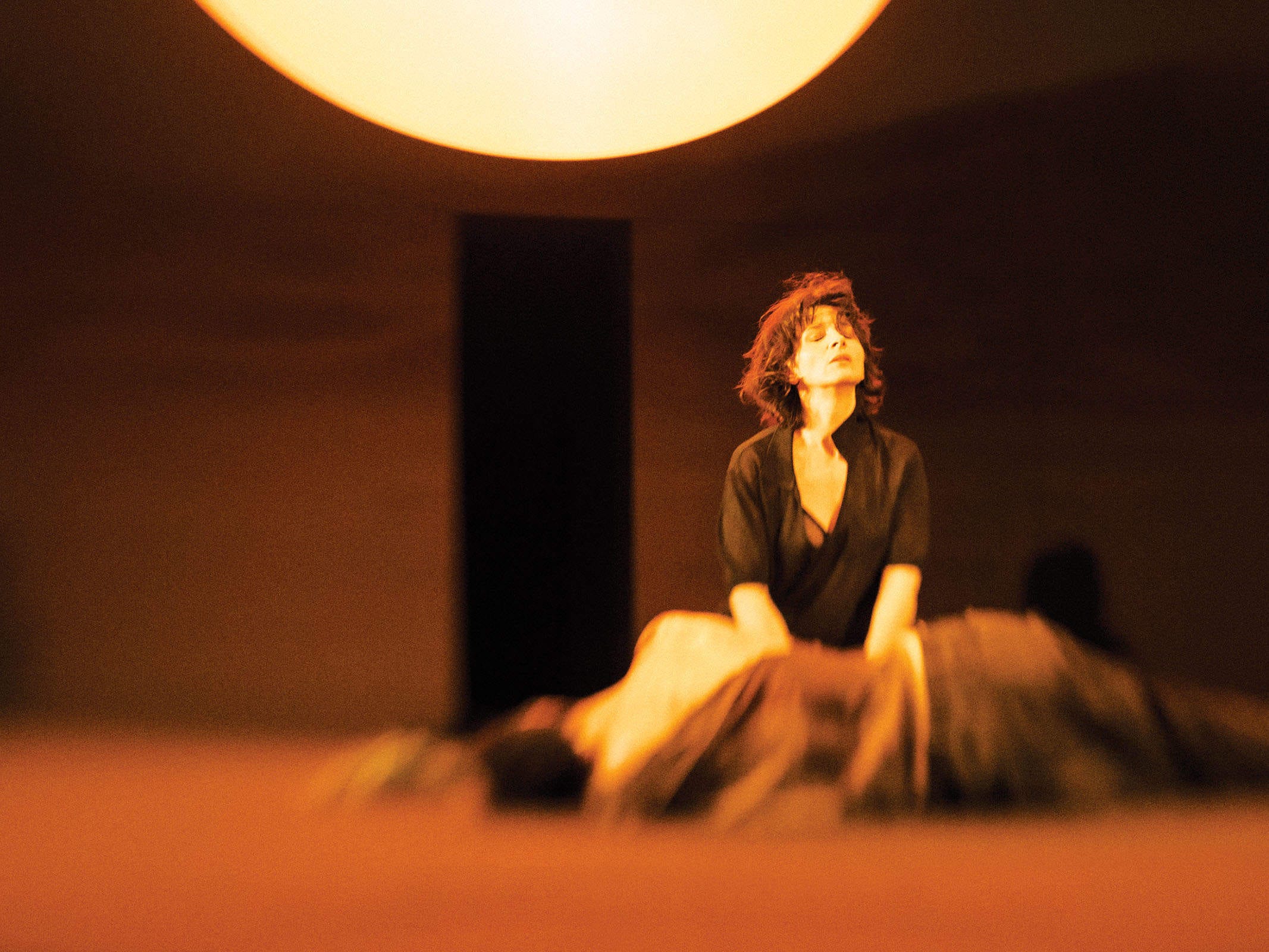
What unburied corpse am I ignoring in my own life? What do I do with this blood and dirt on my hands?
I am afraid to step onto the stage of action. I’m a spectator of others’ tragedies, but unwilling to risk my own ass.
There is an interesting note to this production. The director wanted to depict an intimate scene between Antigone and her fiance Haemon, though none appears in the original Greek texts. He asked the translator Anne Carson to write dialog for it.
Carson refused on principle: Sophokles had not written this conversation, and she demanded fidelity to his text.
So instead the director crafted a silent scene onstage between Antigone and Haemon. This dramatic solution was acceptable to Carson, since she was not inventing dialogue.
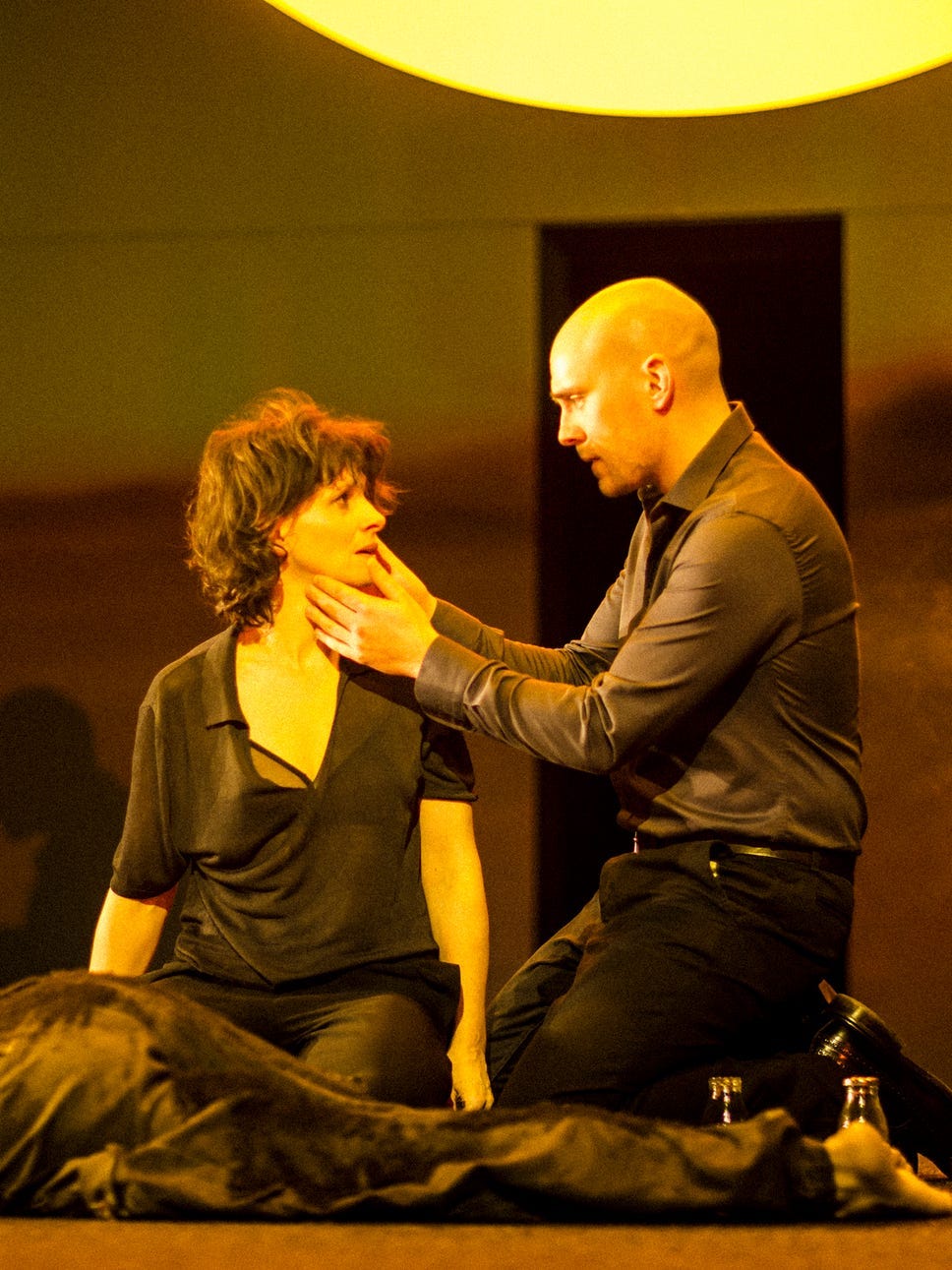
Director and translator found their compromise in silence.
A silence that did not ignore but engaged the noise and paradox of conflict.
We come out of the dark, says Antigone in the first line of the play.
And we return to the dark. I go to bed and sleep, with the unburied still within my chest.
NOTES:
The BBC made an excellent recording of the Barbican production, which is available, for now anyway, on YouTube.
This link works as of 2025:
____________________________
Thanks for reading this newsletter!
There are links at the bottom of the page: Like, Comment, and Share. Your responses attract new readers, and I’d love to hear your thoughts about the essays.
Excellent - thank you!